A bag of spinach rarely feels like a big financial decision. Add up the food bought and never eaten, though, and the picture changes.
A useful number. Not your household’s number.
The U.S. EPA estimates the cost of food waste at $728 per consumer per year in its 2025 report. That is national context, not a forecast of what your family wastes or what an app will save.
Read the EPA research and methodology ↗
Start with a week of noticing.
Write down what you discard, roughly how much it cost, and why it went unused. Was it forgotten, bought twice, or more than you needed? You don’t need perfect measurements to spot a repeated pattern.
Make the next shop a little clearer.
- Check existing stock before making your list.
- Keep quantities realistic for your household.
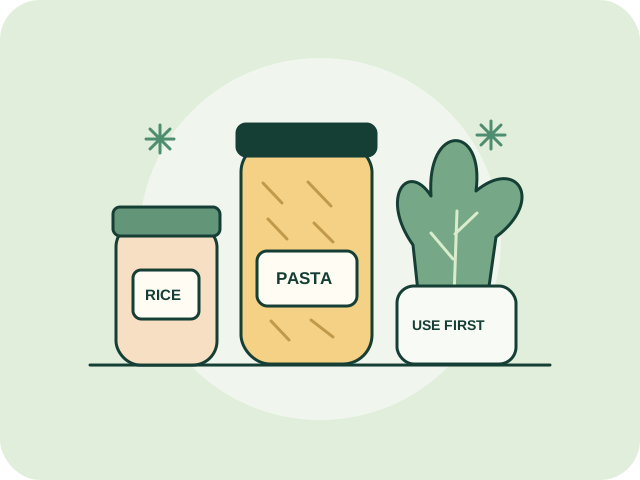
- Make items you want to use easy to see.
- Review whether a larger pack will actually get used.
Keep safety separate from savings.
An inventory or usage forecast is a record, not a food-safety assessment. Follow product labels, storage instructions and appropriate local guidance.
A small experiment beats a big promise.
Try one change for a few shops, then look again at what went unused. Record what actually changed. Keep a possible future saving separate from money you have demonstrably kept.
Try the what-if calculator, or use one of our pack-cost calculators before your next purchase.