A large green savings number can feel reassuring. Before relying on it, it helps to ask what happened underneath.
Possibility is different from an outcome.
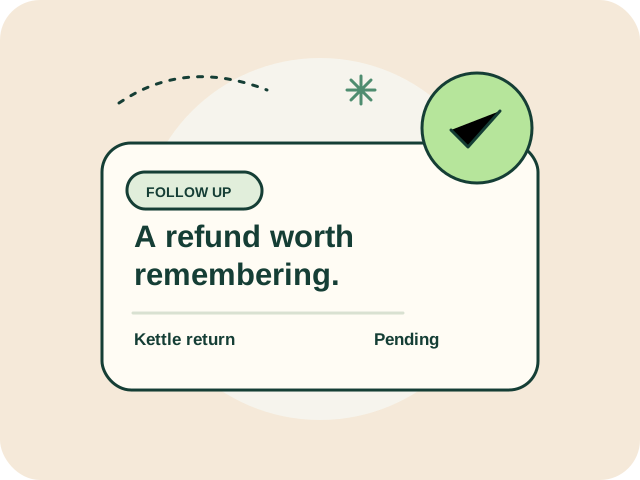
A refund you could claim is an opportunity. A refund received is an outcome. A projection based on buying less is useful for planning, but it should not be mistaken for money already returned to your account.
Four questions worth asking.
- What evidence supports it? Look for a receipt, statement or recorded measurement.
- What is it compared with? Your previous purchase, a shelf price and a national average are different baselines.
- What assumptions are involved? Constant prices and usage may not describe next month.
- Has it already been counted? The same outcome should not appear twice.
A discount is not always a saving.
If an offer makes you buy something you would not have bought, the discount alone does not describe the effect on your household budget. The amount you actually spend still matters.
Keep the useful distinctions visible.
When recording household money, label the amount and the evidence behind it. Keep estimates and opportunities separate from confirmed outcomes. If a number is unclear, investigate it rather than treating it as proof.
Explore the sample home to see the current application, or tell us where a label could be clearer.